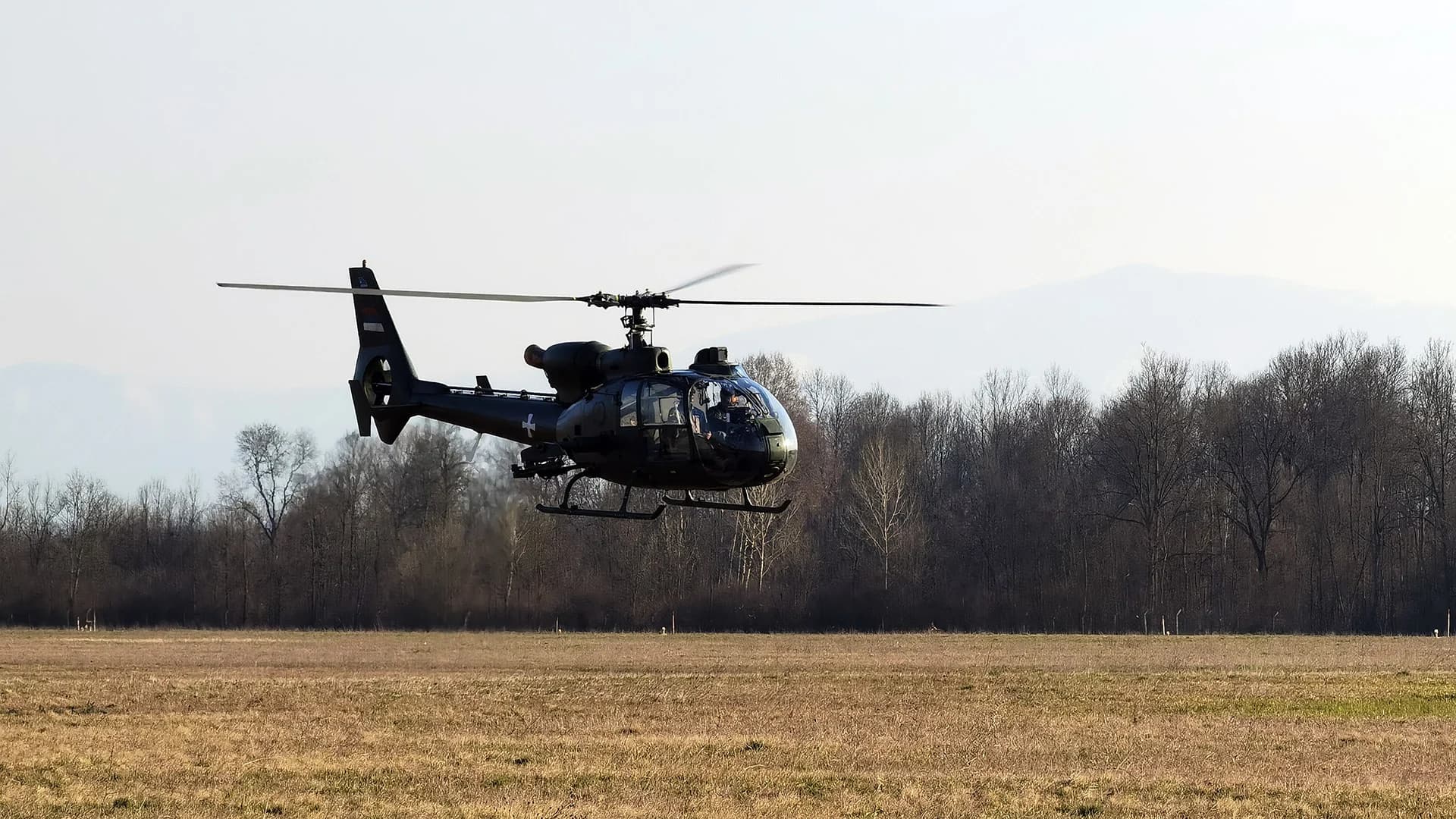
Whether you are looking to become a commercial pilot, serve in search and rescue, or simply explore the skies for leisure, helicopter flight training is the first and most critical step on your journey. Helicopter pilots are in high demand across the globe, and the path to becoming one is more accessible than ever, thanks to quality helicopter classes and specialized aviation courses offered by certified flight schools.
In this guide, we’ll walk you through every step of how to start your helicopter flight training, from understanding the basic requirements to choosing the right school and preparing for your first flight.
1. Understand What Helicopter Flight Training Involves
Helicopter flight training goes far beyond just learning how to maneuver a rotorcraft. It includes theoretical knowledge, simulator practice, flight hours, safety protocols, and more. You’ll learn:
- ✓Basic aerodynamics
- ✓Helicopter controls and systems
- ✓Emergency procedures
- ✓Weather interpretation
- ✓Navigation and communication
- ✓FAA or DGCA rules, depending on your region
2. Meet the Basic Requirements
Before enrolling in any aviation course, make sure you meet the general eligibility criteria. Requirements may vary by country and school, but typically include:
- ✓Age: Minimum 17–18 years old
- ✓Education: High school diploma or equivalent
- ✓Medical Clearance: A valid medical certificate (Class 1 or 2, depending on your license type)
- ✓Language: Proficiency in English (reading, writing, speaking)
3. Decide on Your Aviation Goals
Are you aiming to become a commercial helicopter pilot, or pursuing it as a hobby? Your goals will determine the type of license and training path you’ll follow:
- ✓Private Pilot License (PPL-H), Best for recreational flying
- ✓Commercial Pilot License (CPL-H), Required for paid flying jobs
- ✓Certified Flight Instructor (CFI), Allows you to teach other pilots
4. Choose the Right Helicopter Flight School
This is arguably the most important decision in your journey. Look for a training institute that offers:
- ✓Certified instructors with real-world flying experience
- ✓A well-maintained fleet of helicopters
- ✓Modern training facilities and simulators
- ✓Flexible training schedules
- ✓Assistance with license processing
5. Enroll in Ground School
Before you ever lift off, you’ll start with ground school, the foundation of all pilot training. You’ll study topics such as air law and regulations, meteorology, navigation, helicopter systems, and human performance and limitations. This classroom-based portion is just as critical as actual flight hours.
6. Begin Dual Flight Training with an Instructor
Once your ground training is underway, you’ll begin hands-on training with an instructor. Your early flights will include pre-flight inspections, basic maneuvers like hovering, takeoff and landing, radio communication and navigation, and emergency procedures. The instructor will gradually hand over more control as you build confidence and skills.
7. Log Solo Flight Hours
After a few hours of dual instruction and passing a pre-solo evaluation, you’ll be cleared to fly solo, a major milestone and a huge confidence booster. You’ll begin logging hours required for your license, typically 40–45 hours for a PPL and 150–200+ hours for a CPL. Each flight builds your technical ability, decision-making, and situational awareness.
8. Prepare for Written and Practical Exams
All aviation courses culminate in both written and practical tests. The written exam evaluates your theoretical knowledge, while the practical check ride assesses your flying skills. To prepare:
- ✓Review all ground school materials
- ✓Take practice tests
- ✓Fly with different instructors for diverse perspectives
- ✓Simulate exam conditions
9. Build Hours and Specialize
If your goal is a professional career, you’ll need to accumulate more flight hours and possibly specialize in certain areas:
- ✓Night flying
- ✓Mountain flying
- ✓External load or sling operations
- ✓Search & rescue training
10. Stay Certified and Current
Even after getting your license, your learning never stops. Pilots are required to log minimum flight hours annually, attend periodic safety courses, pass medical exams, and stay updated on airspace regulations and technologies. This ensures you remain sharp, safe, and compliant throughout your flying career.
Why Choose WindChasers for Helicopter Flight Training?
WindChasers is one of the leading aviation training institutes specializing in helicopter flight training. Whether you’re a beginner or looking to upgrade your license, we offer comprehensive helicopter classes and customized aviation courses that combine theory, simulation, and real-world flying experience.
- ✓Experienced Instructors: Learn from industry veterans with thousands of flight hours.
- ✓Modern Fleet: Train on state-of-the-art helicopters equipped with the latest tech.
- ✓Personalized Training: Flexible modules tailored to your goals, PPL, CPL, or instructor pathways.
- ✓Student Support: From license processing to career counseling.
- ✓Global Standards: Training aligned with DGCA and international aviation guidelines.
Final Thoughts
Starting your helicopter flight training is a thrilling and rewarding journey that can lead to a dynamic career or a lifetime of adventure. With the right mindset, commitment, and school, you’re well on your way to mastering the skies. When you’re ready to take that first step, trust WindChasers to guide your journey from the ground up.